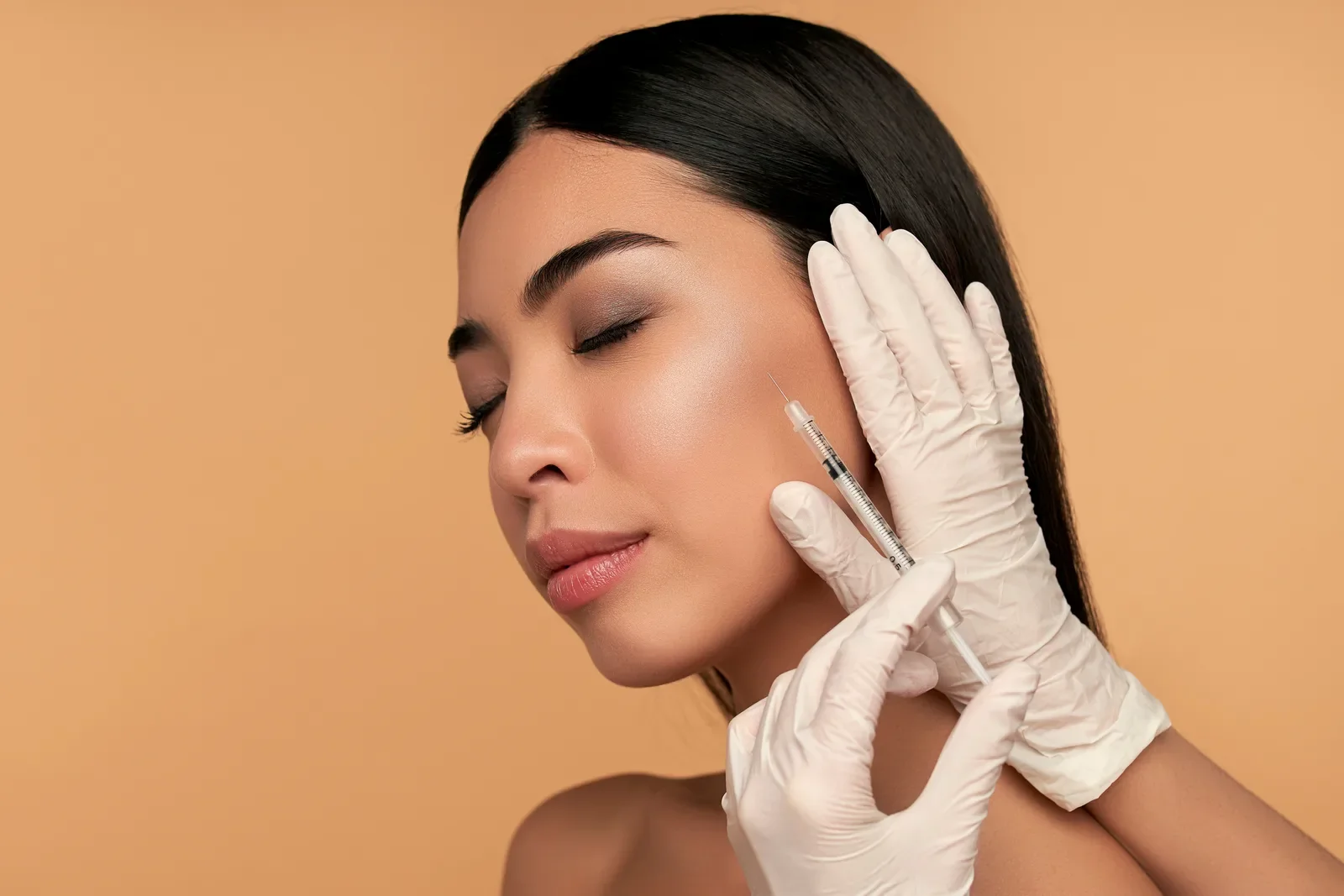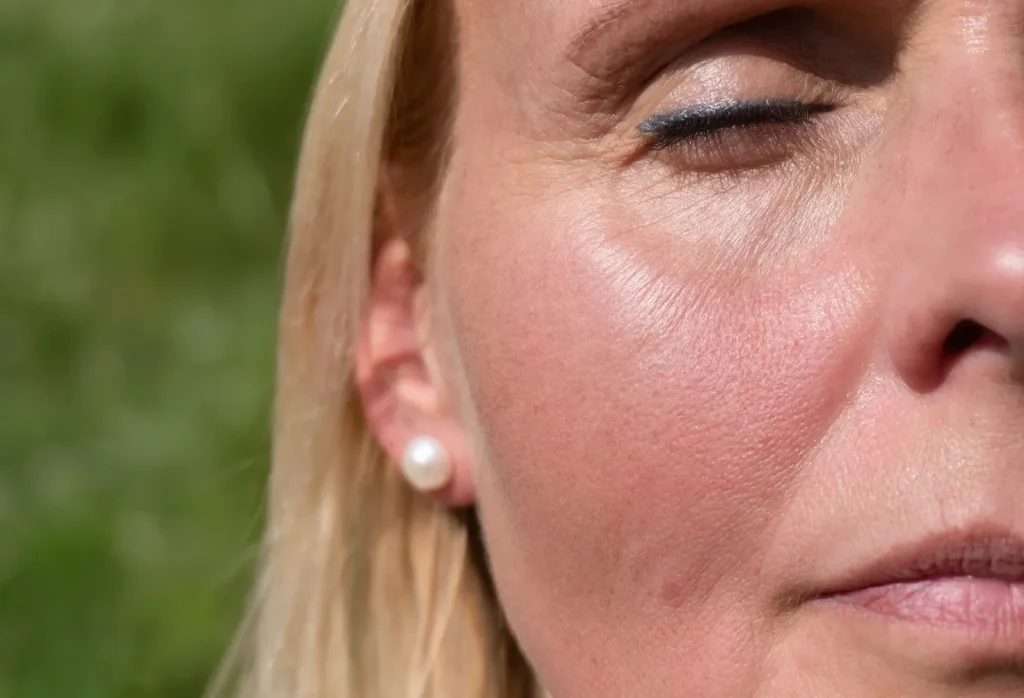
CO2 laser for wrinkles is one of the most effective options available for addressing fine lines, static wrinkles, and sun-damaged skin that creams and serums cannot reach. Unlike surface-level treatments, this technology works beneath the skin to trigger real structural change. At Philadelphia Facial Plastic Surgery & Medspa, Dr. Spalla uses the Lumenis UltraPulse CO2 laser, a precise, well-studied device for facial rejuvenation.
If you have noticed deepening lines around your eyes, mouth, or forehead, you are likely weighing several options. Below, we cover how CO2 laser resurfacing works, what it treats, and how it compares to other wrinkle treatments so you can make an informed decision.
Key Takeaways
- CO2 laser resurfacing treats both fine lines and deeper static wrinkles. It works by removing damaged outer skin layers and stimulating new collagen production over the following months.
- Results develop gradually over 3 to 6 months as collagen remodels. This is different from neurotoxins, which relax muscle movement within days.
- Fractional CO2 laser treats a pattern of microscopic columns, leaving surrounding tissue intact. This allows for a shorter recovery window than fully ablative treatment of the entire surface.
- Fall and winter are ideal times for CO2 laser resurfacing in Philadelphia. Reduced sun exposure during healing lowers the risk of pigment changes and supports a smoother recovery.
- Most patients see significant improvement from one CO2 laser session. Deeper wrinkles or extensive sun damage can benefit from a second session planned with Dr. Spalla.
If you are ready to discuss your skin goals, schedule a consultation with our team to find the right approach for you.
How CO2 Laser Resurfacing Targets Wrinkles
A CO2 laser uses focused light energy to remove the outermost, damaged layers of skin while heating the deeper dermis. This dual action clears away sun-damaged, uneven surface tissue and triggers a healing response that produces new collagen and elastin.
That collagen remodeling is why results are not instant. Your skin needs time to rebuild from the inside out, which is why improvements in texture and wrinkle depth continue to develop over the following 3 to 6 months. Many patients notice smoother, tighter skin within a few weeks of treatment, with continued refinement well beyond that point.
What Types of Wrinkles Can CO2 Laser Address?
CO2 laser resurfacing treats a range of wrinkle types, from superficial fine lines to deeper, static wrinkles that remain visible even when your face is at rest. Because the laser can be adjusted in depth and intensity, your treatment plan is customized to the specific lines you want to improve.
- Fine lines: Early textural changes and superficial creases, often around the eyes and upper lip, respond well to lighter settings.
- Static wrinkles: Deeper lines caused by years of sun exposure and collagen loss, visible even without facial movement, benefit from deeper treatment settings.
- Crow’s feet: The delicate skin around the eyes often shows some of the earliest signs of aging, and CO2 resurfacing can soften this fine, crepey texture.
- Perioral lines: Vertical lines around the mouth, sometimes called smoker’s lines even in non-smokers, are among the most common areas treated.
- Forehead lines: Horizontal creases across the forehead can be softened, particularly when paired with a neurotoxin to address underlying muscle movement.
Fractional vs. Fully Ablative CO2: What Is the Difference?
Fractional CO2 laser treatment delivers energy in a pattern of microscopic columns, leaving the surrounding tissue untouched to speed healing. Fully ablative treatment resurfaces the entire treatment area at once, producing a more dramatic result with a longer recovery window.
Dr. Spalla customizes treatment depth based on your skin concerns, goals, and how much downtime you can accommodate. Patients with moderate fine lines and busy schedules often do well with a fractional approach, while those with significant sun damage or deeper static wrinkles benefit from a more aggressive setting. This decision is made during your consultation, where your skin is evaluated in person rather than matched to a standard protocol.
How Does CO2 Laser Compare to Other Wrinkle Treatments?
Choosing the right wrinkle treatment depends on the type of lines you have and how much change you want to see. Here is how CO2 laser resurfacing compares to other popular options.
CO2 Laser vs. Neurotoxins
Neurotoxins like Botox, Dysport, and Daxxify relax the muscles that cause dynamic wrinkles, the lines that appear when you frown or squint. CO2 laser treats static wrinkles and overall skin texture by remodeling the skin itself. Many patients find that combining both addresses lines caused by muscle movement as well as those caused by sun damage and aging. Our guide on how long Botox lasts covers what to expect from neurotoxins.
CO2 Laser vs. Microneedling
Microneedling creates controlled micro-injuries using fine needles rather than laser energy, which makes it a good option for patients with darker skin tones or those seeking minimal downtime. CO2 laser typically produces more dramatic improvement in wrinkle depth and skin texture in fewer sessions. For a detailed side-by-side comparison, see our post on microneedling vs. CO2 laser.
Many patients combine treatments for comprehensive facial rejuvenation, pairing CO2 laser with neurotoxins or dermal fillers to address lines, volume loss, and skin quality together.
Who Is a Good Candidate for CO2 Laser Resurfacing?
Good candidates for CO2 laser resurfacing generally have lighter to medium skin tones, since the laser carries a higher risk of pigment irregularities in deeper skin tones. Your overall skin health, sun exposure history, and the specific wrinkles you want to address all factor into candidacy as well.
Because every patient’s skin and goals are different, a consultation with Dr. Spalla comes first. He will evaluate your skin type, discuss your goals, and recommend fractional or fully ablative treatment based on what will give you the most natural-looking result with a recovery timeline that fits your life.
Schedule Your CO2 Laser Consultation
Ready to explore what CO2 laser resurfacing can do for your skin? Contact our Philadelphia team to schedule a consultation and build a treatment plan around your goals.
What Happens on CO2 Laser Treatment Day?
On the day of your CO2 laser treatment, your skin is cleansed and a topical numbing agent is applied to keep you comfortable throughout the session. Dr. Spalla’s office also offers IV sedation for those who need a little more relaxation and for those undergoing deeper treatments. Treatment typically takes 30 to 60 minutes, depending on whether you are treating a focused area, like around the eyes or mouth, or your full face.
Immediately afterward, your skin will appear pink to red, similar to a sunburn, and feel warm or tight. Dr. Spalla’s team will send you home with detailed aftercare instructions covering gentle cleansing, moisturizing, and sun protection. For a full breakdown of the healing process, visit our laser skin resurfacing recovery guide.
Why Are Fall and Winter Ideal for CO2 Laser Treatment?
Fall and winter are ideal for CO2 laser resurfacing because newly treated skin is more sensitive to ultraviolet light during healing, and reduced sun exposure during cooler months lowers the risk of pigment changes. Scheduling treatment when you are naturally spending less time outdoors makes recovery easier to manage.
Many Philadelphia patients also plan their CO2 laser treatment around the holiday season, scheduling early enough that any redness or peeling has resolved before events and gatherings. Mapping this out with Dr. Spalla’s team in advance helps you time your recovery around your calendar.
How Long Do CO2 Laser Results Last?
How long your results last varies from patient to patient, depending on your skin’s natural aging process, sun habits, and skincare routine. Many patients enjoy smoother, more refined skin for years after a single treatment, particularly when they commit to daily sun protection and a consistent skincare regimen.
Because CO2 laser does not stop the natural aging process, a future touch-up session can help maintain your results. Our medspa team can also build a skincare plan that supports your investment long after your skin has fully healed.
Frequently Asked Questions About CO2 Laser for Wrinkles
How Many CO2 Laser Sessions Do I Need for Wrinkles?
Most patients see significant improvement after a single CO2 laser session, since the treatment produces a strong collagen remodeling response. Patients with deeper wrinkles or extensive sun damage can benefit from a second session, which Dr. Spalla will discuss based on how your skin responds.
Can CO2 Laser Help With Deep Wrinkles?
Yes. CO2 laser is one of the more effective options for deep, static wrinkles because it reaches further into the dermis than many other resurfacing treatments. A fully ablative approach, or a more aggressive fractional setting, is often used to address pronounced wrinkles.
Is CO2 Laser Better Than Botox for Wrinkles?
CO2 laser and Botox address different types of wrinkles, so one is not universally better than the other. Botox relaxes the muscle movement behind dynamic wrinkles, while CO2 laser improves static wrinkles and overall skin texture, and many patients benefit from combining both.
How Long Is Recovery After CO2 Laser for Wrinkles?
Recovery depends on treatment depth. Fractional CO2 laser typically involves 5 to 7 days of visible redness and peeling, while fully ablative treatment can take 10 to 14 days or longer. Our laser resurfacing recovery guide walks through what to expect at each stage.
Is CO2 Laser Appropriate for Darker Skin Tones?
CO2 laser carries a higher risk of pigment changes in deeper skin tones, so candidacy depends on your individual skin type and history. During your consultation, Dr. Spalla will evaluate your skin and can recommend an alternative, such as microneedling, if that better suits your skin tone.
Take the Next Step in Philadelphia
CO2 laser resurfacing can be a powerful part of your facial rejuvenation plan, and the right approach starts with an honest conversation about your skin and your goals. Contact Philadelphia Facial Plastic Surgery & Medspa to schedule your consultation and learn whether CO2 laser is the right fit for your wrinkles. You can also explore our laser skin resurfacing page or review our breakdown of laser skin resurfacing cost to help plan your treatment.