As we age, we naturally lose elasticity and firmness in our skin, making us look older than we feel. At Philadelphia Facial Plastic Surgery & Medspa, we offer both surgical and nonsurgical types of facelifts to combat signs of aging and bring out a more confident you.
Whether you’re dealing with early signs of aging or more advanced facial sagging, there’s a facelift technique that can help you achieve the refreshed appearance you’re seeking. Let’s explore the various types of facelifts, what makes each one unique, and how to determine which option is best suited to your individual needs.
Understanding Your Facelift Options
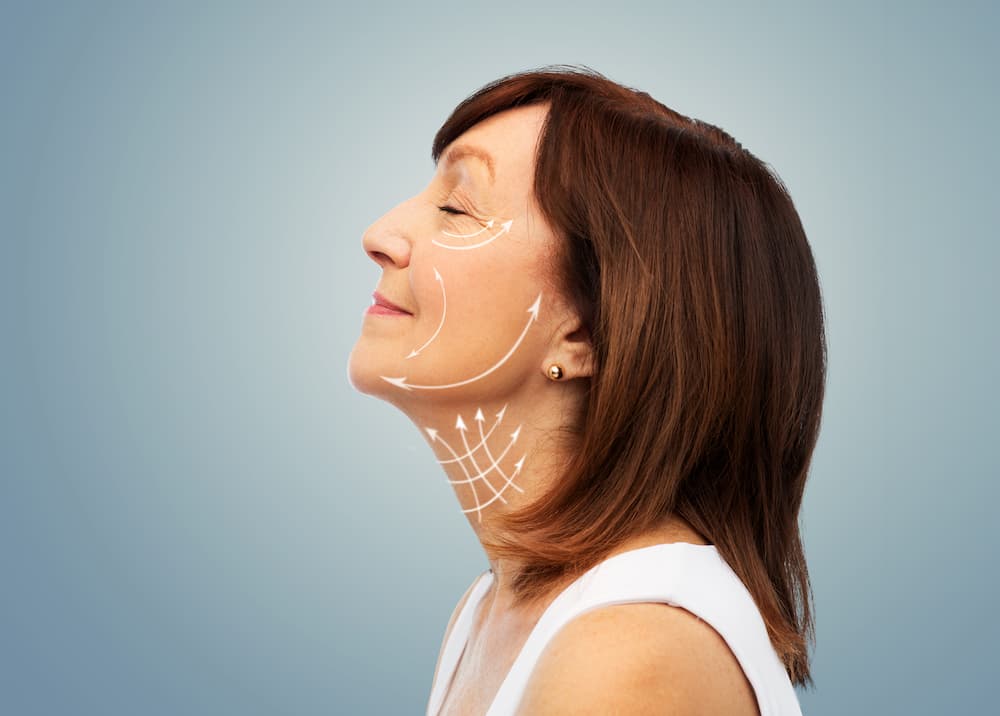
Before diving into the specific types of facelifts, it’s important to understand what these procedures aim to accomplish. Facelifts target the lower two-thirds of the face, including the cheeks, jawline, and area around the mouth. These procedures work by lifting and repositioning the soft tissues of the face, tightening underlying muscles, removing excess skin, and repositioning fat pads to create a tighter and smoother facial contour.
Traditional Facelift
The traditional facelift, also known as a full facelift or rhytidectomy, is one of the most comprehensive types of facelifts available. This surgical procedure addresses moderate to severe signs of aging in the face and can create long-lasting results.
During a traditional facelift, Dr. Spalla makes incisions that are strategically hidden in natural creases or hairlines for minimal scarring. He then tightens underlying facial muscles, removes excess skin, and repositions fat pads. This approach allows him to address multiple concerns at once, including jowls, deep creases around the nose and mouth, loose skin on the cheeks and jawline, and fatty deposits under the chin.
The traditional facelift is ideal for patients who have significant facial sagging and want overall rejuvenation. Recovery usually takes about 2 weeks, longer than less invasive options, but you will always look younger having done this. Studies show this takes 5-10 years off your appearance!
Mini Facelift
For patients with mild to moderate signs of aging, a mini facelift offers a less extensive alternative to the traditional approach. This is one of the types of facelifts that requires smaller incisions and focuses on specific areas of concern, usually the lower face and jawline.
A mini facelift involves less surgical manipulation than a traditional facelift, which means a shorter procedure time and faster recovery. The incisions are made around the ears and are well-concealed. This procedure is effective for addressing early jowling, mild sagging along the jawline, and loss of definition in the lower face.
Because the mini facelift is less invasive, patients can often return to normal activities more quickly than with a traditional facelift. This procedure can often be done in the office under local anesthesia, or with IV sedation if preferred. While results are noticeable, they may not be as dramatic as those achieved with a more extensive procedure.
Deep Plane Facelift
The deep plane facelift is considered one of the most advanced types of facelifts available. This technique involves lifting and repositioning the deeper layers of facial tissue, including the SMAS (superficial musculoaponeurotic system) layer, which sits beneath the skin and fat. This approach is great for addressing midface sagging, deep nasolabial folds (the lines running from the nose to the corners of the mouth), and significant jowling.
The deep plane facelift requires advanced surgical skill and experience, as the procedure involves working in deeper tissue planes. While the recovery may be similar to a traditional facelift, many patients find that the results look more natural because the lift occurs at a deeper level, avoiding the “pulled” appearance sometimes associated with other facelift techniques.
Mid-Facelift
Among the different types of facelifts, the mid-facelift specifically targets the middle portion of the face, including the cheeks and the area under the eyes. This procedure is ideal for patients who are primarily concerned with sagging cheeks, deepening nasolabial folds, or a tired appearance in the midface region.
During a mid-facelift, Dr. Spalla lifts and repositions the fat pads in the cheeks, restoring volume and creating a more youthful contour. The incisions are typically made within the hairline or inside the lower eyelids, making them virtually invisible once healed.
A mid-facelift can be performed on its own for patients who have good skin quality in the lower face but show signs of aging in the midface. The recovery time is generally shorter than that of a traditional facelift, and the results can improve the overall balance and harmony of your facial features.
Choosing the Right Type of Facelift Based on Your Needs
With so many types of facelifts available, how do you determine which one is right for you? Here are some questions to ask yourself when considering the options:
Primary Concerns: Take a look at the parts of your face you want to improve. Do you have mild sagging and early signs of aging? Are you dealing with more advanced facial sagging, jowls, and significant wrinkles?
Overall Goals: Are you looking for subtle enhancement or dramatic transformation? Do you want to address the entire face or focus on specific areas?
Recovery Time: Consider your lifestyle. How much downtime can you realistically accommodate? Recovery times can vary from days to weeks.
Long-Term Results: Think about your expectations for longevity when weighing the different types of facelifts. Are you looking for results that last a few years or closer to a decade?
Consultation Tips for Selecting the Best Technique
Choosing the right facelift is a personal decision, and your consultation with our team is the perfect time to get guidance. Come prepared with questions about procedures, recovery, and realistic results. Be open about your aesthetic goals and share your medical history, including medications and past procedures, so Dr. Spalla can recommend the safest and most effective options. Reviewing before-and-after photos can help you visualize outcomes, while discussing recovery, risks, and maintenance ensures you fully understand the process.
Frequently Asked Questions
What are the different types of facelifts available?
The main types of facelifts include traditional facelifts, mini facelifts, deep plane facelifts, and mid-facelifts. Each addresses different levels of aging and targets specific areas of the face.
How does a traditional facelift differ from a mini facelift?
A traditional facelift addresses moderate to severe signs of aging throughout the lower two-thirds of the face. It involves more extensive surgical work, a longer recovery time, and produces dramatic results. A mini facelift is less invasive, focuses on mild to moderate signs of aging in the lower face and jawline, requires smaller incisions, and offers a quicker recovery.
What is a deep plane facelift, and who is it best for?
A deep plane facelift is a technique that lifts and repositions the deeper layers of facial tissue, including the SMAS layer, rather than just the skin and superficial tissues. This approach creates more natural-looking, longer-lasting results and is particularly effective for addressing midface sagging, deep nasolabial folds, and significant jowling.
How do thread lifts compare to a surgical facelift?
Thread lifts are a minimally invasive alternative that uses dissolvable threads to support tighter skin without incisions or extensive surgery. There is minimal downtime and recovery, which makes them tempting, but they do not provide long-lasting results. IF you’ve had them done and have problems, or you’re considering them, feel free to talk with Dr. Spalla to guide you in this process. He’s helped many patients with thread lift complications.
Which type of facelift is right for me?
The right type of facelift depends on your specific aging concerns, aesthetic goals, overall health, and available recovery time. During your consultation at Philadelphia Facial Plastic Surgery & Medspa, Dr. Spalla will assess your facial structure, discuss your goals, and recommend the approach that will best help you achieve the results you’re seeking.
Understand the Types of Facelifts at Philadelphia Facial Plastic Surgery & Medspa
Whether you’re considering a traditional facelift, exploring other options, or simply want to learn more about what’s possible, our team is here to support you every step of the way. If you’re ready to learn more about the types of facelifts available and discover which approach is right for you, schedule a consultation with Dr. Spalla at Philadelphia Facial Plastic Surgery & Medspa today.