Introduction to Lip Filler Aftercare
Lip filler aftercare is one of the most important factors in achieving the beautiful, natural-looking results you came in for. You’ve taken a meaningful step toward enhanced confidence, and how you care for your lips in the days that follow will directly shape your outcome. At Philadelphia Facial Plastic Surgery & Medspa, located in Philadelphia’s vibrant Northern Liberties neighborhood, we believe that patient empowerment doesn’t end when you leave the treatment room.
Whether this is your first time exploring dermal fillers or you’re returning for a touch-up, understanding what your lips need after treatment helps you protect your investment and enjoy longer-lasting results. This guide walks you through every stage of recovery with the clarity and care our patients deserve.
What to Do After Your Lip Filler Treatment
Following a few simple steps in the first 24-48 hours after your appointment can make a meaningful difference in your comfort and your final result. Here is what we recommend:
-
Apply a cold compress: Gently place a clean, cool compress against your lips for 10 minutes at a time during the first day. This helps minimize swelling without applying direct pressure to the treated area.
-
Stay hydrated: Drinking plenty of water supports the hyaluronic acid in your filler, which naturally attracts and retains moisture.
-
Keep your head elevated: Sleep with your head slightly raised for the first night or two to reduce fluid pooling around the lips.
-
Use a gentle lip balm: A fragrance-free, hydrating lip balm can soothe dryness and keep the skin barrier comfortable as you heal.
-
Attend your follow-up: Our team will schedule a check-in to assess your results and address any questions you have about your aesthetic enhancement.
These steps are straightforward, and most patients find the post-treatment period far more comfortable than they anticipated.
Common Side Effects and How to Manage Them
Mild side effects after lip fillers are completely normal and typically resolve within a few days to 2 weeks. Knowing what to expect helps you feel calm and in control throughout your recovery.
-
Swelling is the most common side effect and is often most noticeable during the first 24-48 hours. It tends to peak on day 2 and then gradually subside. Cool compresses and staying upright as much as possible during the day will help.
-
Bruising can appear at the injection sites and is generally mild. Arnica gel or arnica supplements, used as directed, can help speed the resolution of bruising. Avoid blood-thinning medications like ibuprofen unless medically necessary, as these can worsen bruising.
-
Tenderness and firmness at the injection site are also typical in the first week. The filler integrates with your tissue over 10-14 days, and any initial unevenness often smooths out naturally during this time. If you have concerns, our team at Philadelphia Facial Plastic Surgery & Medspa is always here to guide you.
For patients who experience persistent or significant discomfort, over-the-counter medications are generally sufficient to manage symptoms. Contact us if anything feels outside the ordinary.
What to Avoid After Lip Fillers
Protecting your results means being mindful of a few key things in the days following your treatment. Here is what to steer clear of:
-
Strenuous exercise: Avoid intense physical activity for at least 24-48 hours. Elevated heart rate and blood pressure can worsen swelling and bruising.
-
Excessive heat: Skip saunas, steam rooms, hot tubs, and prolonged sun exposure for the first 48 hours. Heat increases inflammation and can affect how the filler settles.
-
Alcohol: Alcohol is a blood thinner and can intensify bruising and swelling. Avoid it for at least 24 hours before and after your appointment.
-
Touching or pressing the lips: Resist the urge to massage, press, or manipulate the treated area. This can shift the filler before it has had time to fully integrate.
-
Makeup on the lips: Wait at least 24 hours before applying lipstick or lip liner to avoid introducing bacteria to the injection sites.
-
Dental procedures: Postpone non-urgent dental appointments for at least 2 weeks, as extended mouth opening can affect the filler placement.
These precautions are temporary and easy to manage. Most patients return to their regular routines within a day or two. If you’re also considering complementary treatments like neurotoxins for the area around the mouth, our team can advise on the ideal sequencing.
Tips for Maintaining Your Lip Filler Results
Lip fillers typically last anywhere from 6-12 months, though individual results vary based on the type of filler used, your metabolism, and lifestyle habits. With the right approach, you can extend your results and keep your lips looking their best.
-
Stay consistent with hydration: Hyaluronic acid fillers respond well to a hydrated body. Drinking adequate water daily supports longevity.
-
Protect your lips from UV exposure: Apply SPF lip balm regularly to shield the delicate lip tissue from sun damage, which can break down filler more quickly.
-
Maintain a healthy skincare routine: A consistent regimen that supports skin health helps the surrounding tissue look its best. Our skincare specialists can build a customized plan for you.
-
Schedule maintenance appointments: Most patients benefit from a touch-up every 6-12 months. Staying on a regular schedule allows for smaller, more refined adjustments rather than starting from scratch.
-
Avoid smoking: Smoking accelerates the breakdown of filler and contributes to fine lines around the lips, working against your aesthetic goals.
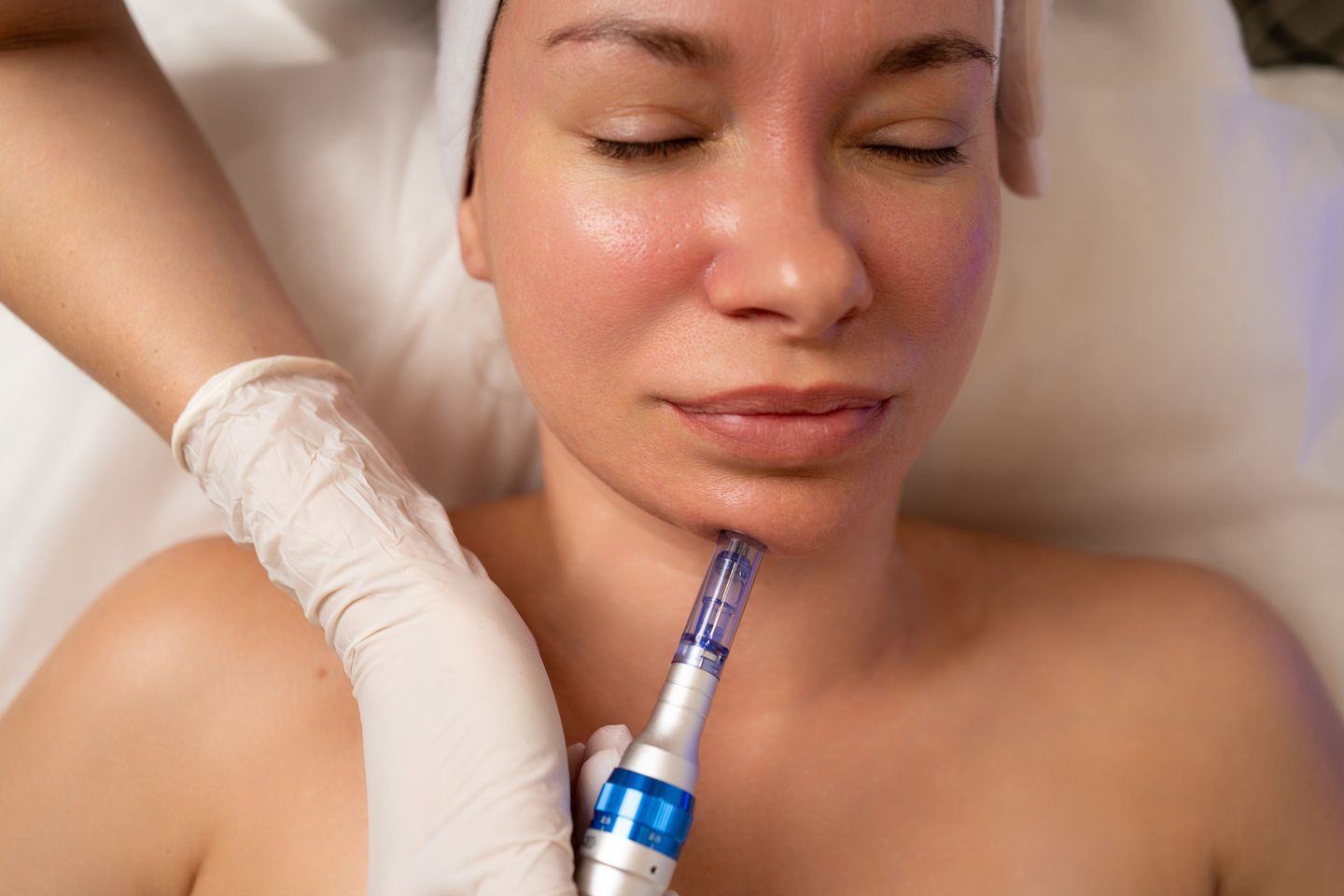
Lip fillers are a wonderful entry point into facial rejuvenation, and many patients choose to complement their results with treatments like chemical peels or microneedling to enhance overall skin quality.
Why Choose Philadelphia Facial Plastic Surgery & Medspa for Lip Fillers in Philadelphia?
Choosing where to receive your lip filler treatment is just as important as the aftercare that follows. At Philadelphia Facial Plastic Surgery & Medspa in Northern Liberties, our approach is rooted in artistry, patient education, and a genuine commitment to natural-looking results. Every treatment plan is customized to your unique facial anatomy and aesthetic goals, because we believe there is no one-size-fits-all path to confidence.
Under the guidance of Dr. Thomas C. Spalla, MD, our practice combines the precision of facial plastic surgery expertise with the warmth of a patient-centered medspa environment. Whether you are new to fillers or looking for a trusted partner for ongoing care, we welcome the opportunity to support your journey.
Ready to take the next step? Contact us today to schedule your consultation and discover what personalized lip filler treatment in Philadelphia can do for you.
Frequently Asked Questions About Lip Filler Aftercare
What should I avoid after getting lip fillers?
In the first 24-48 hours following your treatment, avoid strenuous exercise, alcohol, excessive heat sources such as saunas or hot tubs, and touching or pressing on your lips. You should also hold off on makeup application and non-urgent dental appointments for at least two weeks. These precautions protect your results while the filler integrates with your tissue.
How long does swelling last after lip fillers?
Swelling is typically most pronounced during the first 24-48 hours and peaks around day 2. For most patients, the majority of swelling resolves within 1 week. Minor residual puffiness can persist for up to 2 weeks as the filler fully settles. Cool compresses and keeping your head elevated can help speed this process along.
Can I wear makeup after lip fillers?
It is best to wait at least 24 hours before applying any lip products, including lipstick, lip liner, or gloss. The injection sites are small openings in the skin, and applying makeup too soon increases the risk of introducing bacteria. After the first day, you can resume your normal lip makeup routine as long as the treated area feels comfortable.
How do I reduce bruising and swelling after fillers?
Applying a cool compress gently to the area during the first day is one of the most effective ways to manage both bruising and swelling. Arnica gel or supplements can also help the body resolve bruising more quickly. Avoid alcohol, ibuprofen, and blood-thinning supplements in the days surrounding your appointment, as these can make bruising worse.
How can I make my lip filler results last longer?
Staying well-hydrated, protecting your lips with SPF, avoiding smoking, and maintaining a healthy lifestyle all contribute to longer-lasting results. Scheduling regular maintenance appointments every 6-12 months keeps your results looking refined over time. Our team at Philadelphia Facial Plastic Surgery & Medspa can help you build a customized plan that supports your aesthetic goals for the long term.